 Login





















AI Summary
Before investing in plumbing school, signing up for an apprenticeship, or paying for a licensing exam, it’s worth knowing exactly what qualifies you to become a licensed plumber.
In the US, there’s no single route to getting licensed. States and municipalities set their own requirements, from the number of supervised hours you need to the types of plumbing work you can legally perform. The process of getting a plumbing license in the United States depends on three factors:
- where you intend to work
- your professional experience
- the type of plumbing services you intend to provide.
This guide covers how to get a plumbing license, how much it costs, how long it takes, and what additional qualifications you need to start your own plumbing business.
What Is a Plumbing License?
A plumbing license is a government-issued credential that legally authorizes an individual or business to perform specific plumbing activities within a state or local jurisdiction.
These activities include installing water supply systems, repairing pipes and fixtures, maintaining drainage systems, and overseeing plumbing installations.
The scope of permitted work depends on the license classification. A plumber qualified to repair residential plumbing systems, for example, isn’t automatically authorized to install medical gas piping in hospitals.
What Are the Different Types of Plumbing Licenses?
Apprentice Plumber
An apprentice works under qualified supervision to gain the practical experience and technical knowledge required for professional licensing. Entry-level credentials include apprentice registrations, trainee certificates, and apprentice licenses.
Journeyman Plumber
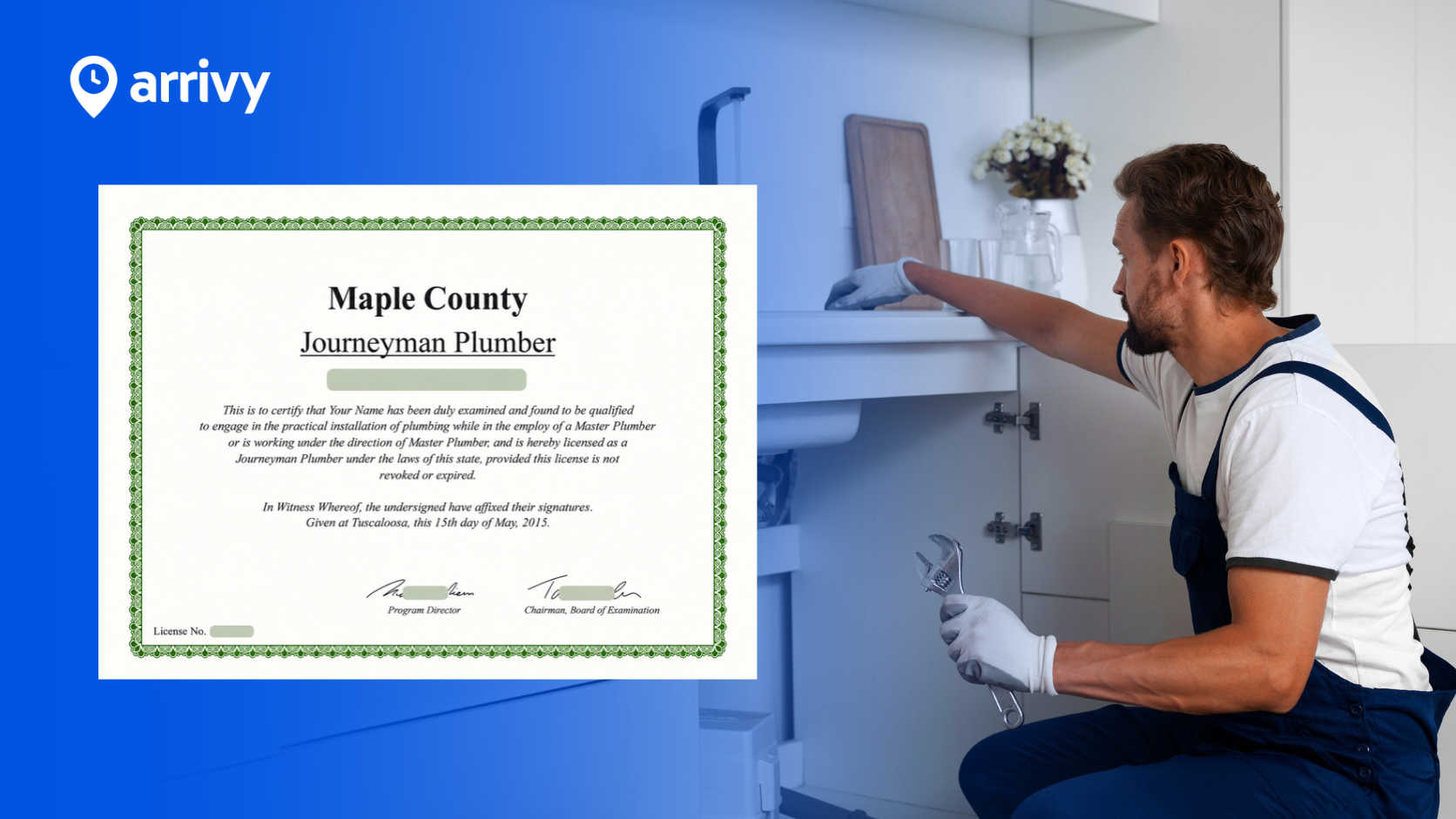
A journeyman plumber is qualified to install, repair, and maintain plumbing systems within the scope of their license. A journeyman license does not automatically grant independent contracting rights.
Master Plumber
A master plumber holds an advanced plumbing qualification. Their responsibilities often include supervising apprentices, overseeing complex installations, and ensuring compliance with plumbing codes.
Plumbing Contractor
A plumbing contractor license authorizes an individual or business to enter into regulated plumbing contracts with customers. Contractor licensing also addresses business requirements such as insurance, bonding, and the appointment of qualified personnel.
Specialty Plumber
Specialty credentials authorize specific types of plumbing work, such as residential service plumbing, medical gas piping, backflow prevention, and irrigation systems.
Not every state uses these classifications. Washington, for example, issues individual plumbing certifications and licenses plumbing contractors separately.
How to Get a Plumbing License in 7 Steps
1. Check Your State’s Plumbing License Requirements
Identify who regulates plumbing work in your area. This could be a state plumbing board, a contractor licensing agency, or a municipal building department.
Before applying, check the following:
- Minimum age and eligibility requirements
- Available license classifications
- Required training and work experience
- Apprenticeship registration requirements
- Licensing examinations and fees
- Restrictions on plumbing work
Check municipal requirements alongside state regulations, particularly if you intend to work across multiple cities or counties.
Use the CareerOneStop License Finder, a resource sponsored by the US Department of Labor, to locate the relevant licensing authority.
2. Complete a Plumbing Apprenticeship or Approved Training
A plumbing apprenticeship combines paid employment with technical instruction, allowing you to earn while learning the trade.
According to the US Bureau of Labor Statistics, most plumbers, pipefitters, and steamfitters complete a four- or five-year apprenticeship, typically receiving 2,000 hours of paid on-the-job training each year.
You can find plumbing apprenticeships through local contractors, trade unions, vocational schools, and the federal Apprenticeship Job Finder.
Before starting work, check whether apprentice registration is mandatory. In Texas, for instance, plumbing experience earned before registration does not count toward the experience requirements for certain licensing examinations.
3. Gain and Document Your Plumbing Work Experience
Licensing authorities evaluate the nature of your work, the qualifications of your supervisors, and the hours you’ve spent performing specific plumbing activities.
In Washington, for example, journey-level plumbers need at least 8,000 hours of supervised experience, including 4,000 hours working on commercial or industrial plumbing installations.
Keep these records throughout your apprenticeship and employment:
- Employment history: Company names and employment dates
- Working hours: Total hours spent on plumbing work
- Job responsibilities: Installations, repairs, and maintenance
- Supervisors: Names and plumbing license numbers
- Training records: Completed courses and certificates
- Experience verification: Signed employer or supervisor forms
Get your experience verified before leaving an employer. Tracking down a former supervisor several years later can delay your application, particularly if the company has closed or changed ownership.
Plumbing contractors can use timesheet management software to maintain records of employee working hours. These records support internal documentation but do not replace the official experience verification forms required by licensing authorities.
4. Pass the Plumbing License Exam
Once you’ve met the eligibility requirements, apply for the examination associated with your chosen plumbing credential.
Plumbing examinations typically cover:
- Plumbing codes and regulations
- Pipe sizing and materials
- Water distribution systems
- Sanitary drainage and venting
- Plumbing fixtures
- Installation and repair procedures
- Safety standards
Contractor applicants also take business and law examinations where required.
Examination formats differ by jurisdiction. New York City, for example, requires Master Plumber applicants to pass both a written and a practical examination.
Download the official candidate information bulletin before purchasing study materials. It explains which plumbing code editions are tested, what reference books are permitted, how the exam is structured, and what score is required to pass.
5. Submit Your Plumbing License Application
Depending on the credential, prepare the following documents:
- Completed application form
- Government-issued identification
- Signed work experience verification
- Education and training certificates
- Examination results
- Required background disclosures
- Application and licensing fees
Follow the application sequence published by your licensing authority. California, for example, requires an initial contractor license application before the examination stage.
6. Fulfill Additional Requirements for Plumbing Contractors
Registering a business or forming an LLC does not, by itself, authorize you to offer regulated plumbing services.
If you intend to run your own plumbing company, obtain the applicable contractor or business authorization before offering services to customers. This involves requirements beyond individual plumber licensing, which we’ll cover in the contractor licensing section below.
7. Verify and Renew Your Plumbing License
Passing your exams and submitting your paperwork doesn’t mean your license is active. Before accepting work that requires a license, check your status through the issuing authority’s online verification portal.
Keep track of your expiration date and continuing education requirements. Washington, for example, requires journey-level plumbers to renew their certification every three years and complete 24 hours of continuing education.
Plumbing License Requirements by State
Some states issue individual plumbing licenses, while others focus on contractor licensing or delegate certain requirements to local governments.
| Jurisdiction | Licensing Requirements | Licensing Authority |
|---|---|---|
|
Texas |
Apprentice registration, Tradesman Plumber-Limited, Journeyman and Master Plumber licenses, and Responsible Master Plumber designation |
|
|
California |
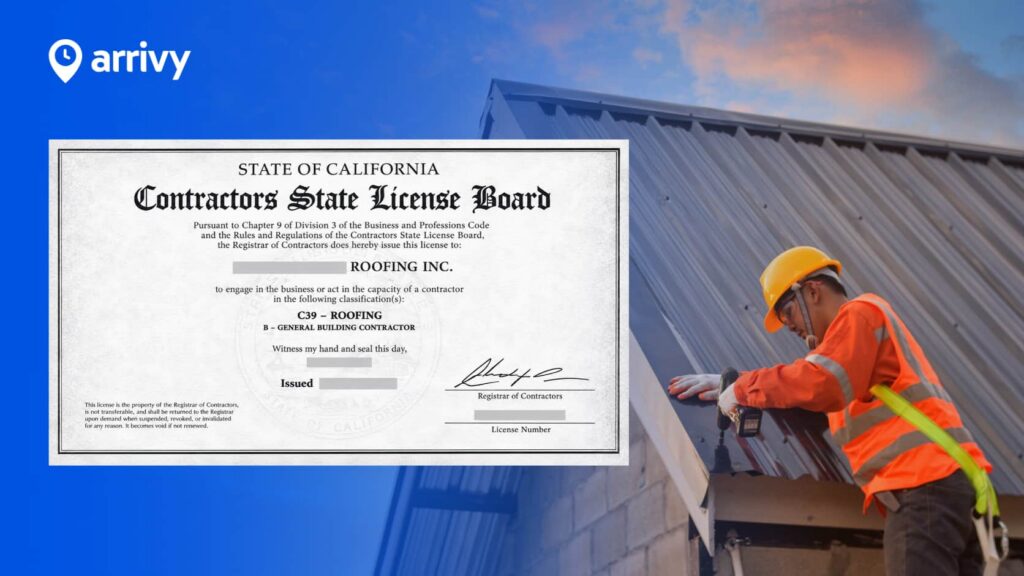
C-36 Plumbing Contractor license for contracting activities that require licensure |
|
|
Washington |
Individual plumber certification and separate plumbing contractor licensing |
|
|
New York City |
Municipal Master Plumber licensing and qualifying business requirements |
If you’re working in another state, use the USAGov state government directory to locate the relevant licensing authority.
How Long Does It Take to Get a Plumbing License?
A typical plumbing apprenticeship takes four to five years. However, limited-scope residential credentials require less experience in certain states, while advanced master plumber and contractor qualifications involve additional experience. See the following plumbing credentials and their experience requirements.
Washington Residential Service Plumber: 2 years and 4,000 hours
Washington Residential Plumber: 3 years and 6,000 hours
Washington Journey-Level Plumber: 4 years and 8,000 hours
Texas Journeyman Plumber: At least 8,000 hours of plumbing experience and completion of applicable approved training requirements
Texas Master Plumber: 2 years holding a Journeyman Plumber license, or 1 year with completion of a US Department of Labor-approved apprenticeship program
California C-36 Plumbing Contractor: 4 years of journey-level or equivalent experience within the previous 10 years, subject to accepted training credits
New York City Master Plumber: 7 years of qualifying experience within the previous 10 years, including 2 years as a registered journeyman plumber under one eligibility pathway
These credentials cover different types of plumbing work. The experience requirements also exclude examination scheduling and application processing times.
You can start earning earlier through a paid apprenticeship while completing your training and experience requirements.
How Much Does a Plumbing License Cost?
Government fees for plumbing credentials range from $15 for apprentice registration in Texas to over $1,000 for Master Plumber examinations in New York City.
Your total licensing expenses will depend on the credential, training pathway, and business requirements.
Plumbing License Fees in Different States
| Jurisdiction | Licensing Expense | Fee |
|---|---|---|
|
Texas |
Apprentice registration |
$15 |
|
Texas |
Journeyman examination |
$40 |
|
Texas |
Journeyman license issuance |
$40 |
|
Texas |
Master Plumber license issuance |
$75 |
|
Texas |
Responsible Master Plumber designation |
$225 |
|
Washington |
Plumbing examination application |
$202.10 |
|
Washington |
Initial journey-level plumber certification |
$242.70 |
|
California |
Single-classification contractor application |
$450 |
|
California |
Initial sole-owner contractor license |
$200 |
|
New York City |
Master Plumber written examination |
$585 |
|
New York City |
Master Plumber practical examination |
$530 |
You can check these fees on TSBPE, Washington L&I, California CSLB, and NYC Department of Buildings in November 2026. Individual figures do not represent the full cost of obtaining each credential.
Additional Expenses to Budget For
Initial and conditional expenses
- Trade school and technical training
- Plumbing codebooks
- Study materials
- Background checks
- Examination retakes
Recurring expenses
- Continuing education
- License renewals
- Business registration (also an initial expense)
- Contractor insurance
- Surety bond premiums
If you’re pursuing a contractor license, budget separately for business compliance. A $6,000 surety bond, for example, represents the bond’s coverage amount, not the premium you pay to obtain it.
If you plan to advertise plumbing services, bid on projects, or enter into contracts with customers, check the contractor licensing requirements in your jurisdiction.
These commonly involve:
- Registering your plumbing business.
- Applying for the appropriate contractor classification.
- Appointing a qualifying plumber where required.
- Passing applicable trade and business examinations.
- Securing mandatory insurance and bonds.
- Obtaining contractor licensing approval.
In Washington, plumbing contractors must maintain $250,000 in liability insurance, secure a $6,000 surety bond or accepted alternative, and appoint a designated certified plumber.
Texas’s Responsible Master Plumber designation requires an active Texas Master Plumber license and at least $300,000 in commercial liability insurance.
The designated or qualifying plumber must fulfill the technical and supervisory duties assigned by the licensing authority. Hiring someone solely to use their license number is not a substitute for those responsibilities.
Related read: How to Start a Plumbing Business in 12 Practical Steps
Can You Transfer Your Plumbing License to Another State?
A plumbing license does not automatically transfer across state lines. However, some licensing authorities recognize existing out-of-state credentials through reciprocity agreements, endorsement applications, or examination waivers.
Washington, for instance, has a reciprocal certification agreement with Idaho for journey-level plumbers. California also offers trade examination waivers to eligible contractors from certain states.
Even when a reciprocity agreement exists, you still need approval from the destination licensing authority before performing regulated work.
What Happens If You Work Without a Plumbing License?
Performing plumbing work without the legally required credential can result in fines, stopped projects, criminal charges, and restrictions on recovering payment.
California, for example, treats certain first-time unlicensed contracting offenses as misdemeanors, with more severe consequences for repeat offenders.
These restrictions don’t prohibit properly supervised apprentices from learning the trade or work that falls within specific statutory exemptions.
Managing Your Plumbing Business After Licensing
Emergency leaks, last-minute appointments, extended repair jobs, and technician availability can make a plumbing company’s daily schedule difficult to manage.
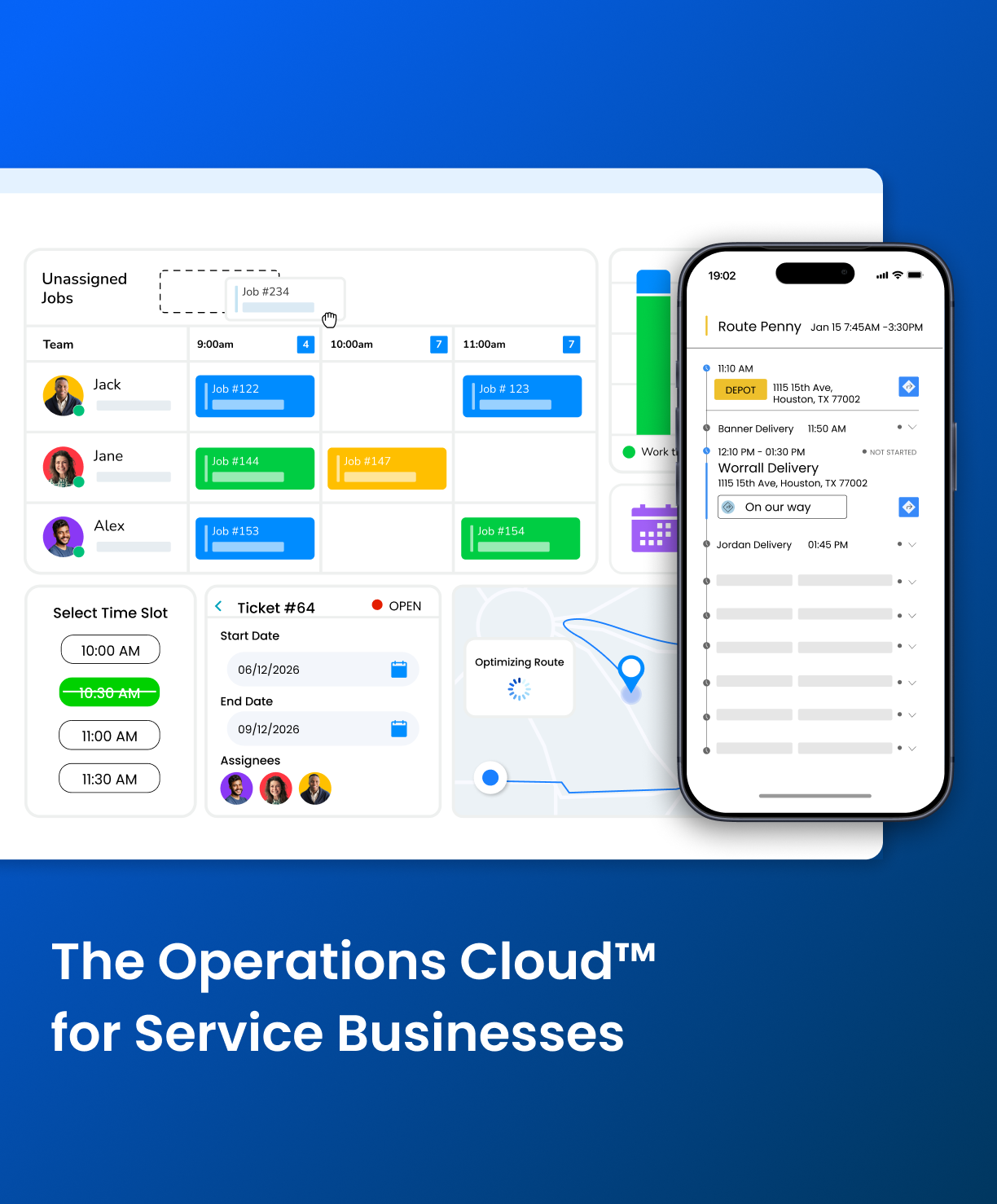
Arrivy’s plumbing management software brings these operational responsibilities into one platform. Office teams can coordinate appointments through scheduling and dispatch software, while technicians use the mobile app to access digital work orders, job instructions, upload photos, complete checklists, and update job statuses from the field.
If you’re setting up your business paperwork, Arrivy also offers a free plumbing invoice template with space for labor, materials, permit charges, and license information.
Final Thoughts
Once you’re licensed and ready to take on customers, the next priorities are pricing your services, finding customers, and building a reliable service operation.
If you’re looking to expand beyond your first few service calls, explore our guide on 10 ways to grow your plumbing business.