 Login
Login






















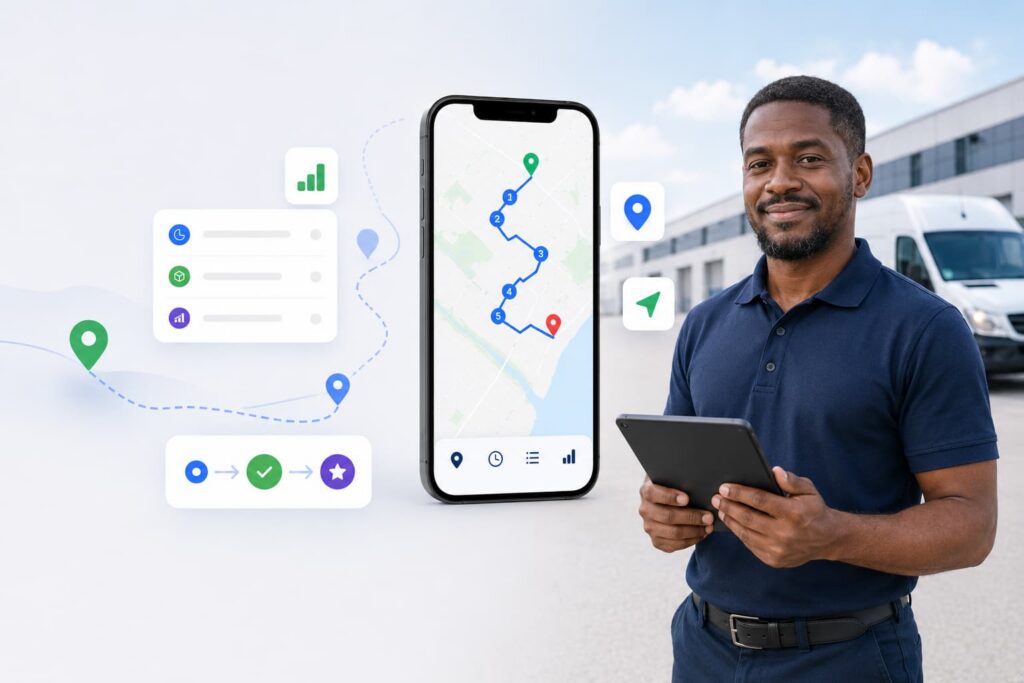
Modern technology has a profound impact on the world, and the global delivery & logistics operations are no exception. Whether you own a small business or an enterprise, adapting to modern delivery and logistics is no longer a choice but a necessity.
Recommended Reads
Understanding Modern Delivery & Logistics Operations
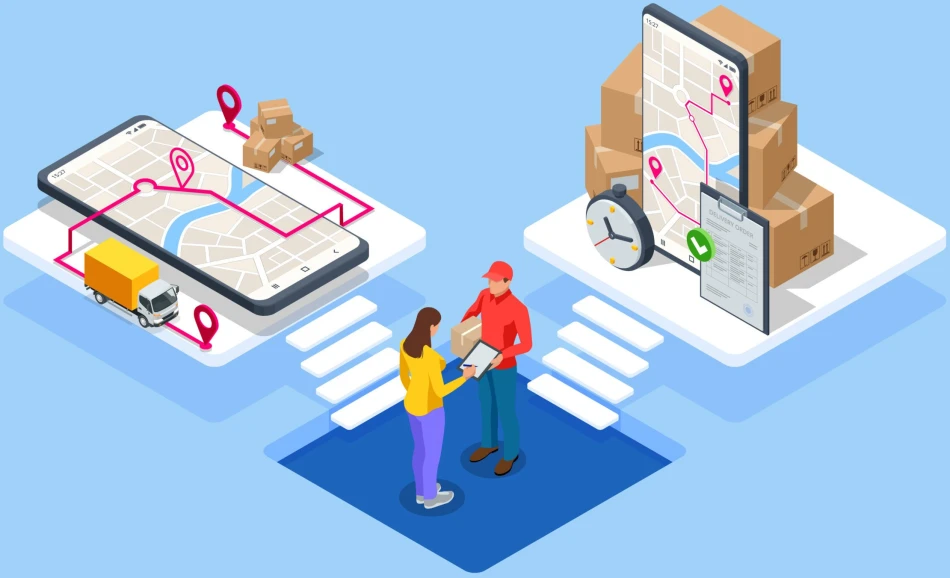
Modern delivery & logistics refers to the technology-driven approach to managing and optimizing the movement of goods and services. Features such as real-time tracking, automated customer notifications, and efficient scheduling enhance both the customer experience and operational efficiency.
The Future of Delivery Is Digital
The delivery management software market is forecasted to increase by USD 666.7 billion at a CAGR of 7.26% between 2023 and 2028. Now is the time to embrace intelligent logistics systems to stay competitive and scalable.
What are Delivery Operations?
Delivery operations involve the physical movement of goods from a business to a customer, focusing on features such as routing, dispatch, and last-mile delivery. On the other hand, logistics management is a broader method of planning and implementing the efficient flow and storage of goods, focusing on delivery operations, inventory management, warehousing, and maintaining supplier relationships.
For example:
Delivery operations can handle transporting goods to customers, providing job status updates, and customer alerts. On the other hand, Logistics operations ensure the truck is loaded correctly and the inventory is reconciled after delivery. Together, delivery & logistics handle the overall flow of business operations.
Key Components of Delivery Management Systems
Modern delivery & logistics management software helps delivery teams across various services, including courier and operational sectors, to provide enhanced customer experiences.
The system operates through six core components that work together to create a unified delivery and logistics workflow:
- Planning – Enables teams to create and schedule tasks with time windows, required skills, and equipment needs. Templates help standardize recurring job types such as daily deliveries or bulk shipments, while customer notification preferences (SMS or email) can be set for each task.
- Routing – Automatically optimizes routes by considering traffic, distance, and time windows. It allows grouping of tasks by crew or location for multi-stop efficiency and supports real-time route adjustments for unexpected changes.
- Dispatch – Simplifies job assignment by matching tasks to field crews based on location, skills, and availability. All job details are sent directly to mobile devices, and schedule changes or reassignments are handled instantly.
- Tracking – Provides real-time GPS visibility of field teams, along with live status updates (On Way, On Site, Completed) and accurate ETAs that can be shared with customers.
- Communication – Keeps everyone connected through automated customer notifications, two-way messaging between dispatchers, crews, and customers, and digital proof of delivery through signatures, photos, or notes.
- Analytics – Delivers valuable insights into performance metrics such as on-time percentage, travel time, and job duration. It also tracks customer satisfaction and monitors resource utilization to drive continuous improvement.
Together, these six components create an integrated system that offers complete visibility, control, and efficiency across delivery and logistics operations.
Why Efficient Delivery Operations Matter?
Efficient delivery operations matter for the rapid growth of your business. According to a recent survey, on-time delivery has become a key benchmark for businesses. Logistics providers must maintain an on-time rate of at least 85% to be considered reliable. The efficient delivery has various broad impacts on the overall business functionality and productivity, including:
Impact on Customer Satisfaction and Retention
- Real-time Tracking: Customers can see the exact location and estimated arrival time of their service crew, which enhances trust and reduces anxiety.
- Automated Notifications: Customers receive updates via SMS or email at key milestones, which reduces phone tags.
- Reduced No-shows: Automated reminders and notifications reduce no-show appointments
Cost Implications of Poor Delivery Logistics Management
- Increased Operational Costs: Delays and inefficiencies can lead to wasted fuel, detention fees, and additional labor costs. According to a recent report, inefficient interactions during delivery caused a yearly loss of $95 billion in the US.
- Customer Churn: Poor delivery experiences can result in lost customers and negative reviews.
- Resource Misallocation: Inefficient routing or scheduling can lead to underutilized assets and higher maintenance costs.
How Delivery Efficiency Affects Scalability and Brand Reputation
- Scalability: Efficient operations allow businesses to handle more tasks without proportionally increasing costs or resources.
- Brand Reputation: Consistent and reliable service builds a positive brand image and helps businesses maintain high standards.
Common Challenges in Delivery Logistics Management
Here are a few common challenges faced by businesses in delivery logistics management:
Managing Unpredictable Traffic and Delays
Real-time route optimization, proactive alerts, and buffer time automation help to overcome unpredictable traffic and delays.
Handling Missed Deliveries or Customer Rescheduling
Self-service rescheduling, automated conflict detection, and linked appointment tracking help to prevent missed deliveries and enable customer rescheduling.
Maintaining Communication During Peak Seasons
Bulk notification tools, multi-channel updates, and template libraries (pre-built message templates for common peak season scenarios) help to overcome this challenge.
Balancing Speed, Cost, and Customer Expectations
It is alarming to note that last-mile services account for nearly 41% of total supply chain costs, making them one of the most expensive stages in logistics. To address this, intelligent scheduling algorithms, performance analytics, and customer preference settings play a crucial role in balancing speed, cost, and customer expectations. Modern delivery and logistics management software helps businesses overcome these challenges, streamline operations, and enhance overall productivity.
Top 6 Effective Strategies for Managing Efficient Delivery & Logistics Operations
1. Know Where Your Team Performance Stands
The first step in developing a strategy is to assess your operations. To do this, you need to measure KPIs, as they are at the forefront of business decision-making. Before making improvements in your operations, track key metrics to establish a baseline. These performance metrics will identify the exact areas where your delivery operations require improvement and how much revenue you’re losing to inefficiencies.
Essential metrics you can monitor:
- Delivery Volume: Count your daily and monthly deliveries. This will show your workload patterns and help with prior delivery planning.
- Order Accuracy: Make sure packages go to the right places. Create categories between fulfilled, unfulfilled, and lost packages. Track mistakes to improve sorting and handling.
- Success Rates: Measure how often your team fulfills the delivery promise on time. Set targets and rewards for top performers.
- Driver Productivity: Watch when drivers fall behind schedule. Set benchmarks for deliveries. Find ways to make their routes more efficient.
- Vehicle Usage: Maximize your cargo van or fleet capacity by organizing loads efficiently and sequencing deliveries properly.
- Customer Feedback: After each delivery, collect Net Promoter Scores (NPS) or other rating scores. Use this feedback to improve service quality. Since it plays a crucial role in business performance, the Key delivery metrics to track are discussed in detail in the following sections.
Monitoring these KPIs helps you identify cost-drivers and operational inefficiencies in your delivery workflow. Route efficiency, waste reduction, and overall profitability are all improved by prioritizing and resolving high-impact issues.
2. Strategically Plan Loads for Your Vehicles
When packages are disorganized, drivers waste time unloading items and sometimes even lose them. Planning deliveries before loading them in an organized and efficient way saves a lot of time. As a result, you transport more goods in a single trip and maintain an even weight distribution for your carrier’s safety.
To implement this strategy effectively, you need to establish clear pre-loading protocols.
1) Before loading any delivery, map each delivery sequence in order. Place items that need to be delivered last at the back of the vehicle, then work forward. Train your loading staff thoroughly on these protocols.
2) Demonstrate how to stack items safely while maintaining the delivery. Adopt load balancing to prevent cargo shifts during transport. This simple step prevents damage and saves money.
Implementing load planning helps optimize the use of available resources, such as trucks and warehouses, etc. By effectively organizing loads, companies can minimize empty miles, reduce waiting times, and maximize the utilization of their assets. This leads to improved operational efficiency and reduced transportation costs.
3. Automate Route Planning
Whether you’re a local courier or a multinational logistics provider, efficiency is always a top priority. The more efficient your operation is, the more effectively you can allocate resources, serve customers, and free up profits for the bottom line.
Intelligent route planning systems can help you be more efficient. They offer real-time delivery tracking updates and instantly adapt to traffic patterns. Companies like UPS have implemented AI-driven route planning, which helped them save 10 million gallons of fuel yearly.
This is achieved through optimized routing that considers real-time data, showcasing the effectiveness of AI in logistics. These systems integrate smoothly with existing software. Unlike error-prone manual planning on Excel, automated routes find the most efficient paths by considering multiple factors simultaneously.

Advanced routing software manages:
Time Windows
Routes automatically adjust to meet customer delivery schedules; it is a crucial feature, as 68% of shoppers now expect shorter delivery windows at checkout.
Driver Hours
The system tracks work hours and required break times, keeping operations legal and safe.
Priority Deliveries
Routes update dynamically to handle urgent packages first, ensuring on-time delivery for critical items.
Vehicle Matching
The software accounts for truck size limits and matches drivers with the right vehicles for their skills and certifications.
By replacing manual route planning with smart routing software like Arrivy, companies are eliminating common errors and delays. These automated solutions continually optimize routes as conditions change throughout the day.
4. Maintain Your Vehicles for Optimal Performance
A well-maintained fleet is the backbone of reliable delivery operations. By following maintenance protocols, you can prevent costly breakdowns, extend vehicle lifespans, and ensure consistent service quality.
Create a maintenance schedule to monitor when each vehicle requires servicing. This should include regular oil changes, brake inspections, tire rotations, and fluid level checks at intervals recommended by the manufacturer. Numerous organizations effectively use fleet management software to automate maintenance tracking and provide timely service reminders.
Modern delivery operations often use mobile apps that require drivers to complete these inspection checklists on digital forms before beginning their routes. This approach ensures compliance, creates a documented record of vehicle condition, and helps you track upcoming vehicle maintenance patterns.
By combining maintenance with daily inspections, you create a robust system that catches potential issues early, so you do not have to deal with unexpected repairs and keep your fleet running efficiently for a prolonged period.
5. Streamline Warehouse Operations for Better Team Workflow
Warehouse operations involve a lot of manual processes that are liable to delays and errors. Employees spend most of their time locating, picking up items, and moving back and forth throughout the warehouse to improve warehouse efficiency. A Warehouse Management System is key to achieving efficiency. It manages warehouse tasks in real-time and automates several critical functions.
First, it optimizes picking routes.
The system guides workers to grab items in the most efficient sequence, reducing walking time and speeding up order collection.
Second, it connects directly with carriers.
Shipping labels are generated automatically. Package tracking and customer notifications happen seamlessly.
These improvements mean drivers spend less time waiting for orders, which helps you keep delivery promises and keep customers happy.
6. Invest in Delivery Management Software
Did you know that more than one in ten orders are not delivered on time on the first attempt? Each failed delivery costs retailers an average of $17.20 per order. This is due to a lack of real-time tracking and coordination between the team and customers. Manual coordination is impossible at a large scale.
This is where delivery management systems are incredibly helpful. These comprehensive platforms like Arrivy Operations Cloud™ serve as command centers for your entire delivery ecosystem, offering powerful features that transform complex logistics into streamlined processes:
- Intelligent route optimization that adapts to real-time conditions
- Live driver tracking and fleet management
- Automated dispatch and delivery scheduling
- Performance analytics and reporting
- Digital proof of delivery
- Real-time customer notifications
The true power of delivery software lies in its ability to unify all functions into a single, intuitive interface, eliminating the need to juggle multiple systems and minimizing the risk of errors. This growing reliance on integrated delivery platforms is evident in industry trends. For instance, Uber Eats reported a 35% increase in hyperlocal delivery orders within metropolitan areas during the first quarter of 2024, highlighting the rising demand for faster and more localized delivery services.
Measuring Delivery Efficiency — Key Metrics to Track
According to a survey, 93% of customers read reviews before making a purchase, highlighting the importance of tracking customer feedback and other key performance metrics. To ensure overall business efficiency, it’s essential to measure and analyze delivery metrics. The following table outlines key indicators that can help you uncover the hidden factors silently reducing your revenue.
| Key Metrics | Functionality |
|---|---|
| On-Time Delivery Rate | Compares actual vs scheduled start/end times for each task Calculates percentages in On-Time Performance reports Visualized in pie charts showing early/on-time/late breakdowns |
| Route Deviation Percentage | GPS tracking compares planned vs actual routes Mileage reports flag excessive detours Team Status Report shows unexpected stops/delays |
| Average Delivery Time | Task duration analytics in Performance Overview Compares estimated vs actual times per job type Breakdowns by team member in Individual Performance reports |
| Customer Satisfaction Scores | NPS scores (Promoters/Passives/Detractors) Rating averages (1–5 stars) Qualitative feedback analysis Automated post-service surveys Side-by-side comparison of positive/negative feedback |
| Cost Per Delivery | Fuel/mileage (via Travel Reports) — combines mileage data with external cost inputs Labor hours (from Time Tracking) identify high-cost routes or team members Vehicle maintenance costs — compares costs against service quality metrics |
How Arrivy Is Transforming Delivery Operations
Arrivy provides an advanced delivery management software designed for service and logistics businesses to plan and navigate routes efficiently using AI-driven algorithms. Notably, 50% of supply chain organizations are now investing in AI and advanced analytics to optimize their operations—an area where Arrivy delivers measurable impact.
Arrivy’s platform provides Uber-like visibility into field operations, reducing repeated tasks by up to 80% and helping teams complete over 2,000 tasks per day. With a 50% reduction in missed appointments and a 30% improvement in operational efficiency, Arrivy significantly boosts team productivity. Additionally, it enhances customer reviews by 5x and enables businesses to save thousands of dollars annually by minimizing operational losses. Here’s a detailed breakdown of Arrivy’s smart routing workflow:
Digitizing Scheduling and Dispatching Workflows
- Automated dispatch systems: Eliminate manual assignment errors and reduce scheduling time.
- Drag-and-drop scheduling: Intuitive interface allows quick adjustments with automatic conflict detection
- Real-time updates: All stakeholders see changes instantly across web/mobile platforms

Route Optimization Software
- Dynamic routing: Adjusts for traffic, weather, and priority in real-time
- Fuel savings: Reduces mileage through optimized pathing
- Driver benefits: Minimizes fatigue with balanced workloads and reduced unnecessary stops
Real-Time Tracking Systems
- Manager visibility: Live GPS tracking of all field teams on interactive maps
- Customer transparency: Share ETAs via branded tracking pages (Uber-like experience)
- Exception alerts: Automatic notifications for geofence breaches or delays
Streamlined Communication
- Automated notifications: Triggers for 5+ milestones (scheduled, en route, arriving, etc.)
- Digital proof of delivery: Capture signatures, photos, and notes directly in the mobile app
- Feedback loops: Post-service surveys integrated with CRM systems
Digital Forms & eSignatures
- Paperless workflows: 100+ customizable form templates for inspections, waivers, etc.
- Instant approvals: Customers sign via email/SMS with completed forms auto-archived
- Data accuracy: Eliminate transcription errors with direct digital capture
Performance Analytics
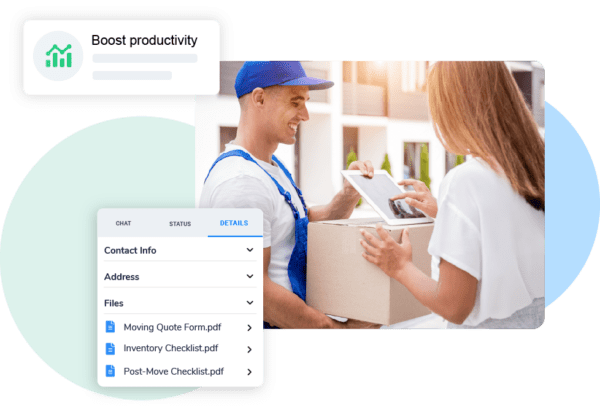
- KPI dashboards: Track on-time percentage, dwell time, utilization rates
- Comparative reports: Benchmark teams/routes/periods
- Predictive insights: AI identifies efficiency trends before they impact service
System Integrations
- CRM sync: HubSpot, Salesforce, Pipedrive
- Accounting links: QuickBooks, Xero, NetSuite
- Custom APIs: Connect with proprietary enterprise systems
Self-Service Options
- Customer portals: 24/7 scheduling with real-time availability
- Partner access: Vendors/suppliers can book slots within defined rules
- Auto-confirmations: Instant booking confirmations with calendar sync

Conclusion
In today’s fast-paced delivery operations, businesses that rely on manual coordination struggle to keep up with growing customer expectations and operational complexity. Dynamic forecasting tools combined with real-time IoT tracking have proven to improve delivery times by 15%, demonstrating how technology-driven logistics can create a measurable impact. If you are ready to eliminate operational inefficiencies, boost on-time performance, and deliver excellence at scale, it’s time to experience intelligent logistics management in action. Book a demo today and see how a unified platform can transform your delivery and logistics operations at every level.