 Login
Login























The global warehousing market is worth $1.01 trillion and growing at 8.1% annually. Yet supply chain leaders still struggle with delayed or incomplete shipment data. That disconnect tells you everything you need to know about warehouse operations today. The money is there. The demand is there. But the execution is broken, and that’s where most operations fall short.
Warehouses have evolved from simple storage facilities into complex coordination hubs. They’re no longer just huge spaces keeping products safe until someone needs them. Modern warehouses are strategic assets that directly impact customer satisfaction, profit margins, and competitive advantage.
Each picking mistake costs $10-$50 and damages customer loyalty. 80% of shoppers get frustrated by picking errors. When you’re operating at scale, these small inefficiencies make up major problems.
Are your warehouse operations running as well as they could be? Let’s break down what actually happens inside a warehouse, what goes wrong, and how to fix it.
Recommended Reads
What Are Warehouse Operations, Really?
Warehouse operations cover all the activities needed to receive, store, manage, and ship products. Every step from the moment a truck backs up to your dock until an order leaves for delivery falls under warehouse operations.
Warehouses function as the central hub of supply chains. They make sure materials, parts, and finished products are available when and where you need them. Without smooth warehouse operations, your entire supply chain starts breaking down. The scale of modern warehousing reflects this importance. The U.S. alone has over 21,000 warehouses, up from 14,600 in 2007. Globally, that number is expected to hit 180,000 by 2026.
Warehouse operation management covers both the daily tasks and the strategic planning needed to keep everything running. Poor management shows up immediately in delayed shipments, inventory errors, and frustrated customers.
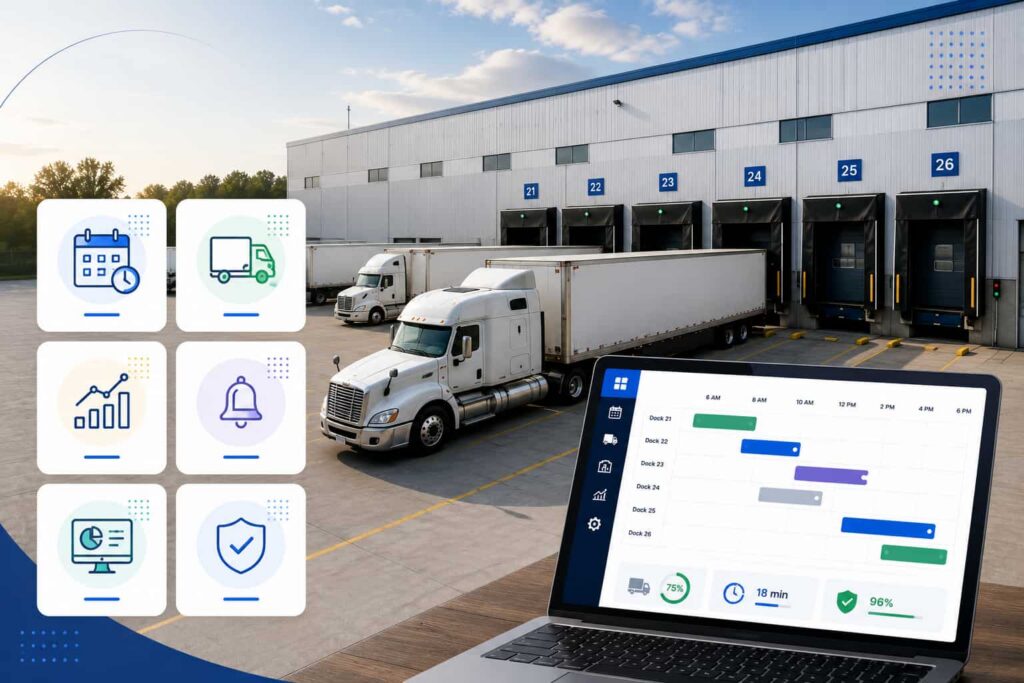
Tools like Arrivy’s dock scheduling platform address one of the biggest operational bottlenecks by coordinating inbound and outbound logistics in real-time. Manual coordination through phone calls and spreadsheets creates delays and errors that digital platforms eliminate. We’ll explore how these systems fit into the bigger picture as we go through each warehouse function.
How Warehouses Are Set Up
Every warehouse divides work across specific functional areas. Each zone handles a particular part of the product journey.
The Six Core Functional Areas
Receiving & Inspection
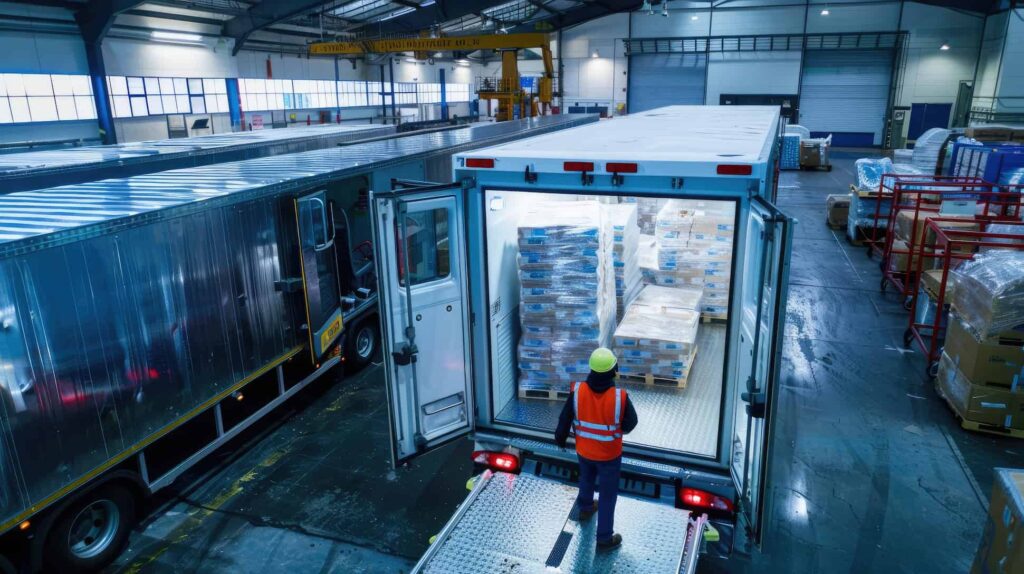
Trucks arrive with shipments. Staff verify everything against purchase orders, check for damage, count quantities, and update the system. The best facilities complete this in under 60 minutes. Average facilities take up to 2 hours.
Storage & Putaway
Products get moved to their designated locations. Random placement might seem efficient in the moment but creates problems later. Smart warehouses place high-turnover items where they’re easiest to reach.
Picking
Staff gather items needed for specific orders. Most warehouses average 71 items picked per hour, though this varies widely based on layout, product type, and methods used. Picking often accounts for more than 50% of warehouse operating costs.
Packing
Orders get packed with appropriate materials, labeled correctly, and prepared for shipping. Quality checks happen here to catch any mistakes before items leave the facility.
Dispatch & Shipping
Finished orders get loaded onto the right trucks. Coordination with carriers, final documentation, and departure scheduling all happen in this zone.
Returns & Reverse Logistics
Returned items come back through a separate flow. Staff inspect them, determine what to do with them (restock, repair, liquidate, dispose), and update inventory records.
The Team Structure
Most warehouses organize their staff in three layers:
- Warehouse managers oversee all operations and make strategic decisions.
- Supervisors or team leads manage specific zones or shifts.
- Floor teams handle the actual physical work of receiving, picking, packing, and dispatching.
In larger operations, all three layers report to a supply chain manager whose supply chain manager responsibilities include aligning procurement, inventory, and carrier relationships to keep goods moving and prevent delays at the dock.
The problem shows up in coordination. Supervisors often rely on Slack messages or phone calls to manage workload when one area gets overwhelmed. There’s no centralized system showing real-time capacity across all zones.
Platforms like Arrivy solve this by giving all teams access to the same real-time data. Dock workers, supervisors, managers, and dispatchers all see current status, upcoming arrivals, and potential delays. This way, communication becomes automatic instead of manual.
What Actually Happens in a Warehouse
Now, let’s walk through each major process step by step.
Receiving & Inspection
Inbound logistics start at the receiving dock. When shipments arrive:
- Staff verify contents against purchase orders
- Physical inspection catches any damage in transit
- Quantities get counted and confirmed
- System records get updated
- Receiving documentation gets generated for the permanent record
Comprehensive staff training can make this process 30% faster. But it won’t be helpful if poor dock coordination creates immediate problems. Trucks will queue up without appointments, detention charges will accumulate, and receiving staff won’t be able to plan their workload, no matter how trained.
Putaway & Storage Management
After receiving, items need to go somewhere. Many warehouses place inventory wherever space opens up. No thought goes into optimizing for retrieval efficiency. High-turnover products end up in inconvenient locations just because that’s where the room existed when they arrived.
Better approaches include:
- ABC analysis puts your fastest-moving items in the most accessible locations
- Zone-based storage groups similar products together
- Vertical space optimization makes use of height, not just floor area
Warehouses that implement smart storage planning improve space utilization by an average of 30%. The best facilities maintain 85-90% capacity utilization while still having room to handle volume spikes.
Picking & Packing
Order fulfillment happens here. Several picking methods exist:
- Discrete picking means one worker completes one order at a time. Simple to understand and implement, but slow
- Batch picking has workers gather the same items for multiple orders simultaneously
- Wave picking groups orders by shipping window or timing
- Zone picking assigns workers to specific warehouse areas
The challenge most warehouses face is that pick paths are generated based purely on distance. Workers traverse the entire facility unnecessarily. Orders don’t get grouped logically by aisle or zone.
Accuracy targets sit at 99.9% or higher. The very best operations reach 99.997%. Technology helps close this gap. Barcode scanning and voice-directed picking reduce errors by 25%. Installing digital signage helps standardize packing steps by displaying real-time instructions at each station, reducing variation and errors. Packing requires the right materials, proper cushioning, accurate labels, and a final quality check. Mistakes here are expensive because they’ve already consumed picking labor and materials before anyone catches them.
Dispatch & Shipping
Getting finished orders onto trucks requires:
- Final quality verification
- Shipping label and documentation checks
- Carrier coordination
- Tracking system updates
- Strategic loading based on delivery sequence
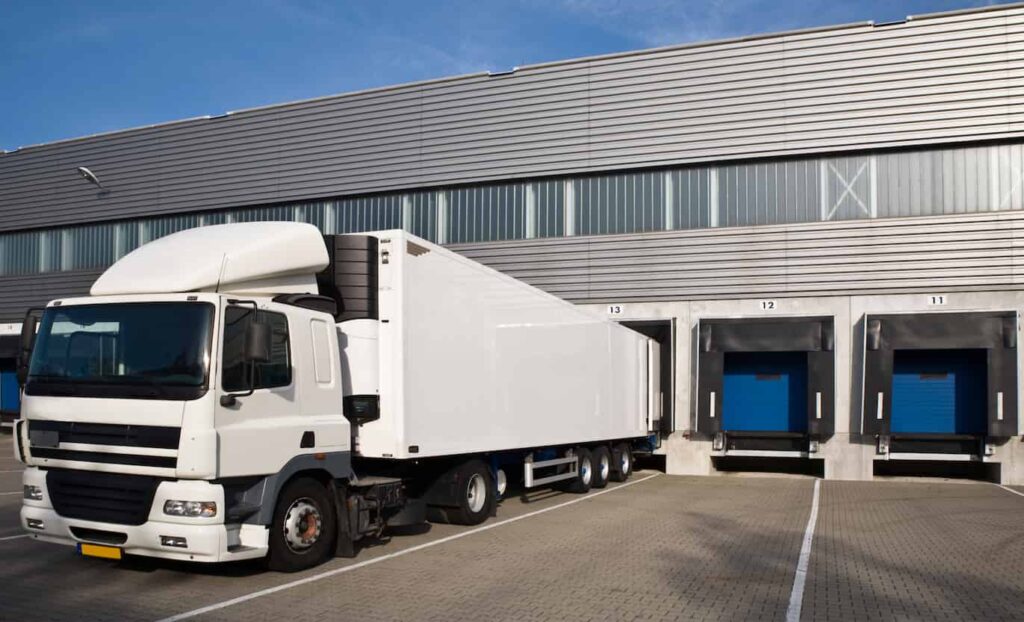
Without organized dock scheduling, dispatch becomes problematic. Multiple trucks arrive simultaneously, loading bays sit empty at other times, drivers wait, and warehouse staff scramble.
Arrivy’s platform provides dock scheduling, dock visibility, automated notifications, and real-time coordination. Warehouses processing hundreds of trucks daily can save significant time per truck with proper scheduling.
Returns & Reverse Logistics
Products come back for various reasons. The returns process needs to match forward logistics in efficiency:
- Receive and inspect returned items
- Determine disposition based on condition
- Update inventory immediately
- Process refunds or exchanges
- Document return reasons for future analysis
Many warehouses treat returns as an afterthought. That’s a mistake. How you handle returns directly affects customer willingness to buy again.
Daily Warehouse Activities
Beyond the major processes, warehouses run on consistent daily routines.
Morning priorities include reviewing overnight orders, checking equipment status, briefing teams on goals, and confirming staffing levels match expected volume.
Throughout the day, staff perform cycle counts for inventory accuracy, conduct equipment maintenance checks, complete safety inspections, and monitor real-time performance. Technology plays an increasing role. Over 90% of warehouses now use or plan to adopt Warehouse Management Systems. Barcode and RFID scanning push inventory accuracy up to 99.9%, compared to 65-70% without them. Digital scheduling tools replace manual coordination. Real-time dashboards provide visibility that was impossible a few years ago.
Problems That Keep Warehouse Managers Worried
Labor Costs Keep Rising
Labor accounts for 56.7% of total warehouse operating costs. U.S. warehousing labor costs hit $86.1 billion in 2023. That number will reach $107 billion by 2032.
Employee turnover makes this worse. Each departure means recruitment costs, training time, and temporary productivity losses.
Detention Fees Pile Up Fast
When trucks sit idle waiting for a loading dock, carriers start charging detention fees. These fees typically kick in after a grace period of around 2 hours, and they’re typically $50 to $100+ per hour.
Without proper dock scheduling, multiple trucks arrive simultaneously while docks sit empty at other times. Drivers wait in queues, carriers invoice detention charges, and ultimately, your warehouse absorbs the cost of poor coordination.
The impact extends beyond just fees. Drivers lose time they could spend on other deliveries, while warehouse staff work reactively instead of following a plan. Relationships with carriers also deteriorate. When dock scheduling relies on phone calls and guesswork instead of a systematic approach, everyone loses.
Nobody Knows What’s Actually Happening
The lack of real-time information leads to bad decisions, missed delivery deadlines, and increased operating costs. One warehouse manager described it well on:
Reddit: “Warehouse supervisors often use Slack or phone calls to manage coordination when one site gets too busy. There has to be a better way to check capacity across the whole network and make small adjustments automatically.”
Modern platforms fix this problem. Arrivy provides centralized visibility where everyone sees the same information at the same time. Coordination happens smoothly because all parties work from accurate, current data instead of assumptions and phone calls.
Space Gets Wasted
Poor layout decisions create lasting inefficiency. Some aisles sit empty while others overflow. Popular items end up in hard-to-reach locations. Vertical space goes unused.
Having warehouse storage estimates on hand before shifting zones or adding racking tells you exactly how much cubic footage you’re working with, so you’re not building a layout around floor space while ignoring 30 feet of vertical capacity above it.
Advanced analytics improve space utilization by an average of 30%. The difference between good and great warehouses often comes down to how thoughtfully they organize physical space.
Manual Scheduling and Uncoordinated Dispatch
Warehouses without dock scheduling systems face predictable problems. Trucks arrive at random. Some hours see too many arrivals while other hours see none. Wait times stretch out, detention charges accumulate, and staff can’t plan their work effectively.
Manual tracking and resulting inefficiencies come off as common frustrations on the discussion forums: “Pen, paper, and Excel for everything. Documentation done by hand and scanned into folders by date. Finding a specific document without knowing the date took forever. Wrong information meant the wrong truck got loaded about once per month.”
Compare that to integrated dock management: “Every file was easy to query in the WMS. Trucks got loaded wrong exactly 1 time in 10 months.” Appointment-based scheduling eliminates most of these issues immediately.
How to Actually Improve Warehouse Operations
Start with Smart Automation
Automation cuts labor costs by 60%, reduces operational errors by 99%, and increases storage capacity by 50%. The warehouse automation market is growing from $23.44 billion in 2023 to an expected $41.00 billion by 2027. You don’t need massive capital investment to see results. Start with fundamentals:
- Implement a proper WMS
- Add barcode scanning
- Digitize scheduling and coordination
Measure What Matters
Track these key performance indicators:
Dock-to-stock time measures how quickly received goods enter inventory. Order accuracy rate should hit 97-98% minimum. Below 94% indicates serious problems. Picking rate tracks items per hour per worker. Inventory accuracy compares physical counts to system records. Labor utilization measures your team’s productive hours against total scheduled hours. Space utilization targets sit at 85-90% for optimal flexibility.
You can’t improve what you don’t measure. Good data shows where to focus improvement efforts.
Invest in People
Financial bonuses significantly increase efficiency and daily productivity. Stable employment status matters more than you might think. Studies show permanent positions improve performance more than temporary roles. Moreover, training delivers concrete returns. Comprehensive programs on equipment and procedures can enhance employee efficiency significantly.
Fix Your Dock Scheduling
Manual coordination creates predictable problems. Phone tag with carriers wastes time, guessing arrival times prevents proper planning, and dock congestion slows everything down.
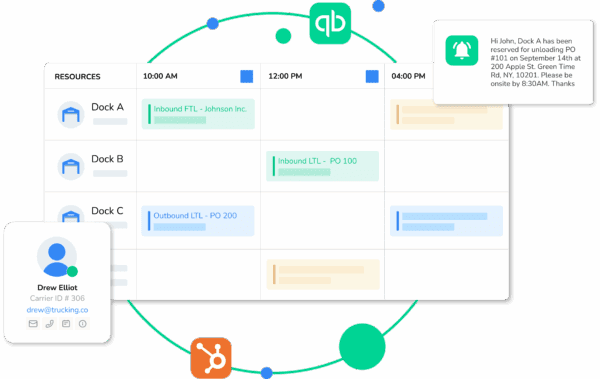
Platforms like Arrivy transform this bottleneck into a competitive advantage. Features include automated appointment scheduling, real-time operations visibility, digital communication between all parties, and data-driven insights for optimizing dock utilization.
The math is compelling. If dock scheduling cuts truck wait time by just 10 minutes per truck, and you handle 60 trucks a day, that’s 600 minutes saved daily, or nearly 1 extra full-time worker’s capacity without adding headcount. Multiply that by labor costs and the ROI becomes obvious.
Technology’s Role in Modern Warehouses
Warehouse Management Systems Form the Foundation
A WMS handles what spreadsheets and clipboards never could. It offers real-time inventory tracking across multiple locations, automated picking list generation, and integration with carriers and suppliers.
The transformation happens quickly. Warehouses that struggled with inventory discrepancies and manual errors find that those problems largely disappear once a proper WMS is in place.
IoT and Real-Time Tracking
RFID and IoT sensors dramatically improve inventory accuracy compared to manual counting. Real-time monitoring catches issues before they become problems. Temperature-sensitive products stay within safe ranges, lost inventory becomes rare, and stockouts decrease. The shift from manual tracking to sensor-based systems eliminates most human error from inventory management.
Robotics and AGVs
Adoption is accelerating. Millions of commercial warehouse robots are being installed worldwide as the technology becomes more accessible and affordable.
Warehouses using AGVs see faster order fulfillment and fewer workplace injuries. Workers spend less time on repetitive, physically demanding tasks. The technology handles the heavy lifting while staff focus on problem-solving and quality control. Even massive operations like Amazon have proven the model works at scale across their fulfillment network.
Predictive Analytics
Advanced forecasting models help warehouses anticipate demand. Analytics-powered inventory management reduces stockouts significantly, while predictive maintenance catches equipment issues before they cause downtime. The difference shows up in daily operations through better inventory accuracy, faster order fulfillment, and fewer problems that disrupt the workflow.
Integration Matters
Warehouses don’t exist in isolation. Modern operations require connections with ERP systems, Transportation Management Systems, CRM platforms, and e-commerce stores.
Arrivy acts as connective tissue between your warehouse and the outside world. It neatly connects your existing systems so that everyone can operate from the same information pool.
Running a Warehouse That Competes in 2026
What separates successful warehouses from struggling ones?
The warehouses that thrive share a few key characteristics. They embrace continuous improvement, make decisions based on data rather than gut feeling, and invest in the right technology at the right time.
Most importantly, they solve the visibility problem. When everyone from dock workers to dispatchers can see what’s happening in real-time, coordination becomes simple, decisions get made faster, and problems get caught earlier.
Whether you’re running a small facility or a multi-site distribution network, the principles stay consistent. Tools like Arrivy exist specifically to solve coordination and visibility challenges that manual processes can’t handle at scale. Your warehouse operations should be a competitive advantage in 2026, not a bottleneck holding you back.