 Login
Login





















A rental order can look perfect in the system and still fail on the day of delivery.
Crews arrive late. Stops run out of order. Pickups get missed. Inventory stays out longer than planned because the team cannot confirm what happened in the field.
Current RMS gives rental businesses control over opportunities, inventory, and scheduling. It does not run real-time field execution. Deliveries, installs, and pickups move across locations and time windows, and the schedule changes during the day.
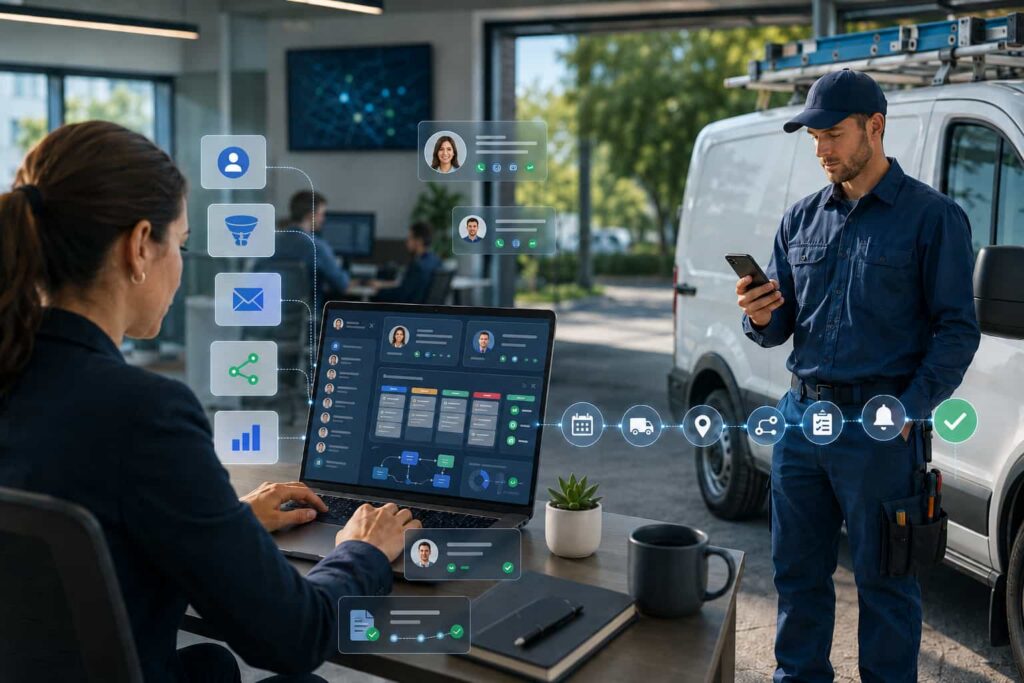
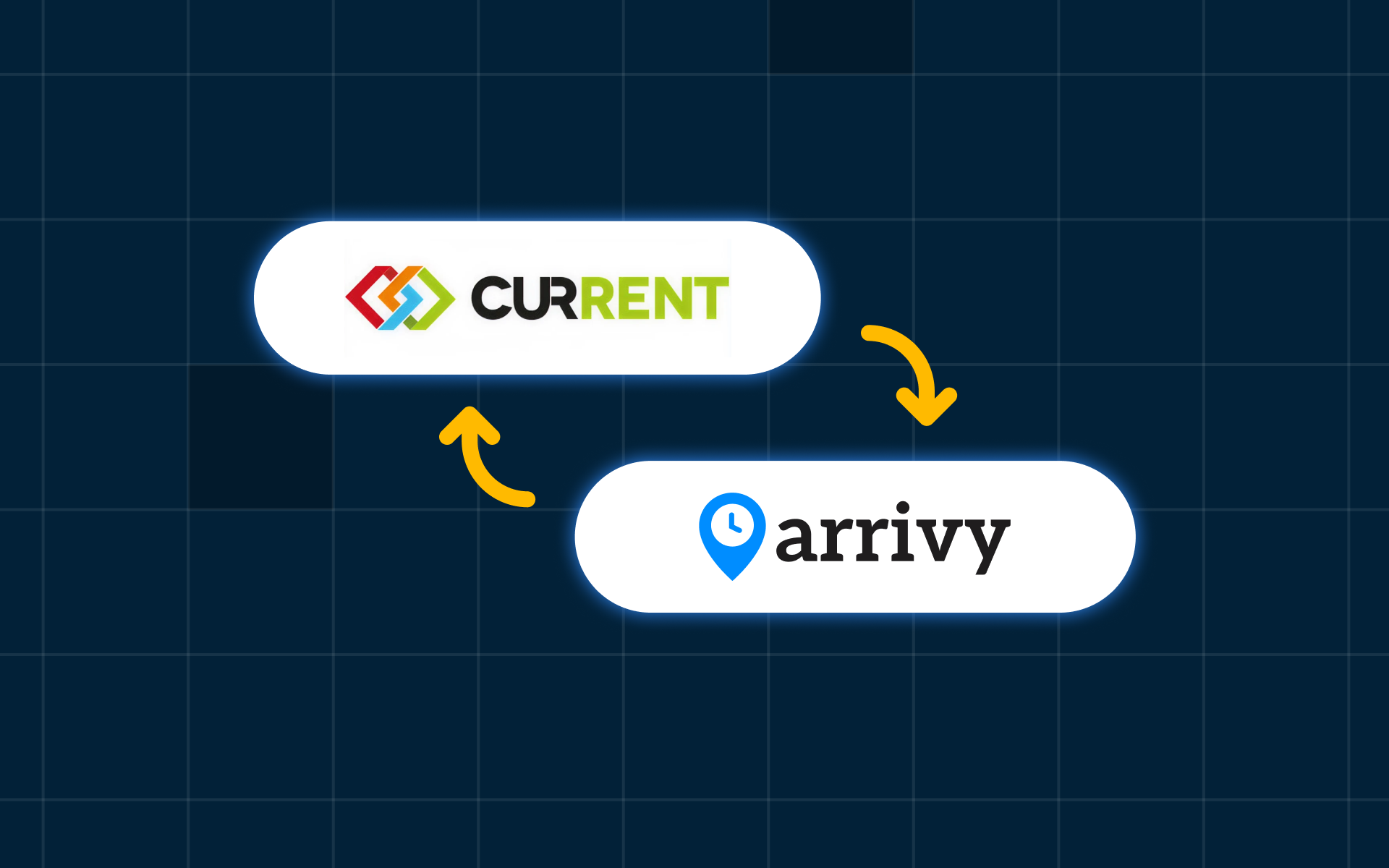
A Current RMS integration with field service management (FSM) solutions like Arrivy connects rental opportunities and scheduler dates to field tasks. Operations teams dispatch work, track progress, and send customer updates based on job status. Teams stop relying on calls and spreadsheets to find answers.
Industry bodies also link automation to rental digitalisation. According to the European Rental Association report, automation is the first step in rental digitalization, delivering measurable gains in staff efficiency and customer transparency.
This guide explains the operational impact and workflows behind a Current RMS integration. It focuses on how rental teams plan, dispatch, and manage delivery and pickup execution. For setup steps and technical configuration, see the integration page.
What You’ll Learn?
Integration at a glance
Why Rental Businesses Invest in Field Execution?
Rental businesses invest in field execution because order accuracy alone does not guarantee delivery performance.
As rental operations grow, teams manage more stops per route, tighter delivery windows, and higher customer expectations around arrival times. Planning systems handle orders and schedules well, but they do not show what happens once vehicles leave the yard. Field execution fills that gap by giving teams live awareness of job progress during the day.
Market research reflects this shift. As of 2026, the global field service management market reached an estimated $6.26 billion, with continued growth driven by companies connecting back-office planning systems to mobile field execution. This growth highlights how businesses prioritize execution visibility once operations extend beyond a single location or crew.
For rental teams, this investment is practical, not theoretical. Missed pickups reduce asset availability. Late deliveries trigger customer complaints. Status uncertainty forces operations staff into reactive work instead of managing the day. Field execution tools address these problems by turning schedules into monitored work rather than static plans.
That is why rental businesses increasingly treat field execution as a core operational layer. Order management defines what should happen. Field execution shows what is happening and allows teams to respond before small delays become service failures.
The Limits of Order Management Systems in Growing Rental Operations
Most rental businesses invest early in software to manage orders, inventory, and billing. That investment pays off at first. Teams gain structure. Opportunities stay organized. Inventory allocations remain clear.
Problems appear as operations scale. More orders mean more stops. Deliveries run across multiple locations. Pickups overlap with installs and teardowns. Traffic, access windows, and last-minute customer requests force schedules to change during the day.
Where Current RMS Fits in Rental Operations?
Current RMS plays a central role in rental operations. It gives teams control where structure matters most. Current RMS helps rental teams:
This foundation supports planning and administration well. Orders stay clear. Inventory remains accounted for. Schedules exist and align with contracts.
Current RMS also supports an Open API (beta), which allows rental data to connect with external execution tools when teams need visibility beyond the schedule.
Where the Limits Appear?
Once equipment leaves the warehouse, teams need answers that order screens do not provide. They need to know whether a crew has departed, whether they are running late, and whether a delivery or pickup actually completed on site.
When this information lives outside the rental system, teams rely on manual work to fill the gap. Common workarounds include:
The result is predictable. Teams field more “where is my order” calls. Pickups get missed. Asset availability drops. Reconciliation work grows at the end of the day.
What a Current RMS Integration Solves?

Once rental businesses reach the limits of standalone order management, the next question becomes practical: what changes when rental orders connect directly to field execution?
A 2024 RICS industry report identifies system interoperability as a persistent operational barrier, even as digital tool adoption increases. A Current RMS integration with Arrivy addresses this gap directly.
From Scheduled Orders to Controlled Field Work
A Current RMS integration extends existing rental workflows instead of replacing them. Rental teams continue to plan work inside the Current RMS. The integration ensures that what gets scheduled does not stop at the calendar.
Delivery and pickup events defined in Current RMS move into Arrivy as active jobs. Operations teams gain visibility into progress as work happens, not hours later. When schedules change, execution updates instead of breaking.
This shift changes how teams manage the day. Teams respond to delays earlier. Customers receive updates based on real progress.
Keeping Planning and Execution Aligned
The most important outcome of the integration is consistency between what teams schedule and what crews complete in the field. Orders, schedules, and field activity stay aligned as the day unfolds.
Teams no longer compare multiple systems to understand what changed. When rental details change in Current RMS, execution workflows update to match. This feedback loop reduces uncertainty and helps rental operations stay in control even when conditions shift.
Moving Rental Orders into Field Execution
In Current RMS, rental operations center on opportunities and scheduled events. These records define what needs to happen, where it needs to happen, and when the work should occur. Without integration, that information stops at the planning stage.
A Current RMS integration connects those plans to field execution.
How Rental Opportunities Become Field Jobs?
When a rental team schedules delivery or pickup events in Current RMS, the integration allows those events to create corresponding field tasks in Arrivy. Each task represents real work that crews complete during the day.
Instead of recreating jobs in separate tools, teams work from a single operational flow. Delivery, setup, teardown, and pickup tasks stay linked to the original rental opportunity.
This approach reduces duplicate data entry and lowers the risk of missed tasks when schedules change.
What Data Syncs from Current RMS to Field Execution?
A practical integration focuses on operational data that crews and dispatchers need to complete work accurately. Typical data that syncs includes:
This shared information ensures that field teams work from accurate job details and that operations teams avoid re-entering information across systems.
Centralized Scheduling and Dispatch Control
With rental jobs active in field execution, scheduling and dispatch move into one operational view. Teams assign drivers, crews, and vehicles based on availability rather than assumptions.
When priorities change during the day, schedules update without breaking the link to the original rental order. Dispatchers adjust workloads, reroute crews, and respond to delays while maintaining visibility across all active jobs.
Teams stop managing the day through calls and side notes. They manage it through a live execution plan that reflects current conditions.
How Current RMS and Field Execution Software Work Together?
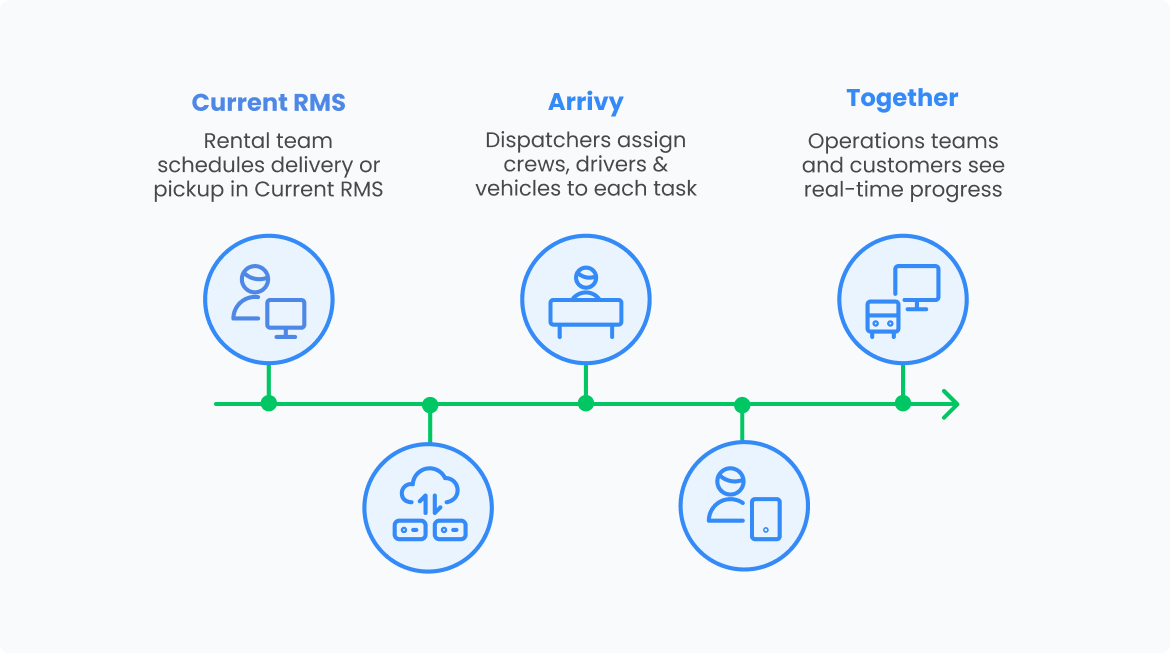
Current RMS continues to manage rental opportunities, inventory, and scheduled events. Arrivy manages dispatch, live job status, and customer communication in the field. The integration keeps both systems aligned so teams operate from the same information throughout the day.
How the Integration Works
It works in 5 steps:
This flow allows rental teams to manage the day without rebuilding schedules or chasing updates.
Real-Time Visibility into Field Activity
Once jobs move into execution, operations teams gain live visibility into progress across all active work. They can see when crews depart, arrive on site, and complete deliveries or pickups. Teams no longer wait for check-in calls or end-of-day updates to understand what happened.
This visibility allows teams to respond earlier to delays and manage exceptions before they affect customers.
Customer Communication Tied to Execution
Field execution software sends notifications and tracking links based on job status. Customers receive accurate arrival information and completion updates without contacting the office. Operations teams spend less time answering routine status questions and more time managing the schedule.
Planning Changes Reflected in the Field
Rental schedules rarely stay fixed. Crews change. Time windows shift. Priorities move.
When updates occur in Current RMS, the integration reflects those changes in Arrivy. Tasks update instead of breaking. Teams adapt to changing conditions without losing control over active work.
How the Integration Supports Real-World Field Workflows?
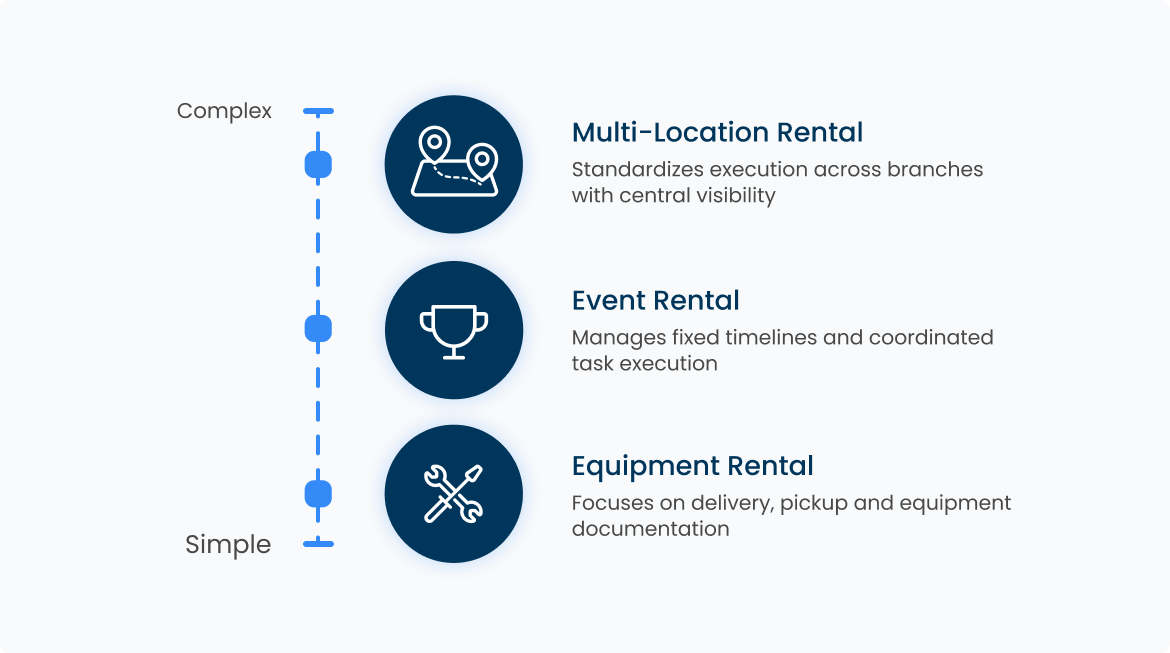 Field execution challenges vary by rental model, but every rental business needs clear visibility and control once work leaves the warehouse. A Current RMS integration supports this by adapting to different operational realities while keeping execution structured.
Below are three common rental workflows where connected planning and execution make a measurable difference.
1. Event and AV Rental Companies
Event and AV rental operations run on fixed timelines. Venue access windows, delivery slots, installation periods, and breakdown schedules leave little room for error. A delay in one job often affects multiple crews and vehicles.
With rental orders connected to field execution:
This structure helps teams manage complex event days without relying on constant check-in calls. When delays occur, teams see them early and adjust before schedules collapse.
2. Equipment and Tool Rental Providers
For equipment and tool rental businesses, timing and accountability matter equally. Missed pickups delay asset returns. Incomplete records lead to disputes over condition or responsibility.
A direct connection between rental orders and field execution supports:
Instead of tracking equipment movement after the fact, teams maintain visibility as work happens. Assets return on time. Availability stays accurate. Disputes decrease because execution records remain clear.
3. Multi-Location Rental Operations
As rental businesses expand across regions or branches, consistency becomes harder to maintain. Different teams often adopt different execution habits, which leads to uneven service quality.
A Current RMS integration supports standardized execution by:
This consistency helps growing rental businesses scale without losing operational control. Teams follow the same execution process regardless of location, and leadership gains clear insight into daily performance.
Business Benefits of a Current RMS Field Execution Integration
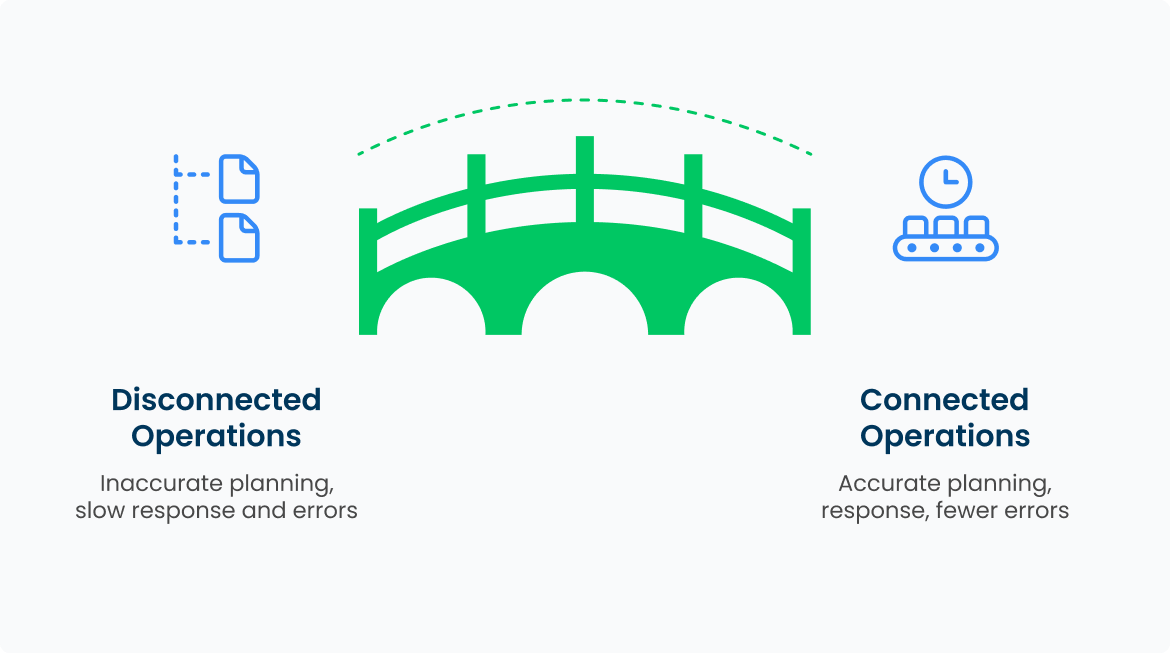
When rental orders and field execution operate as a connected process, improvements show up quickly in daily operations. Teams plan work more accurately, respond faster during the day, and close jobs with fewer errors.
Fewer Missed or Late Deliveries
Missed delivery windows often come from limited visibility. When teams cannot see where crews are or how jobs progress, delays surface too late to fix.
By connecting rental orders to live field activity, operations teams can:
This reduces last-minute surprises and improves delivery reliability without adding manual work.
Faster Job Completion Cycles
Execution speed depends on flow. When teams confirm work as it happens, assets return faster, and availability improves.
A connected execution workflow helps teams:
Over time, this shortens rental cycles and supports higher asset utilization.
Reduced Operational Errors
Manual coordination increases the risk of missed tasks, duplicated work, or incorrect job details. These errors often appear after the job ends, when correction becomes costly.
An integrated approach reduces errors by:
Teams spend less time fixing problems and more time managing active work.
Clearer Customer Communication
Customers judge rental businesses by execution, not planning. When updates arrive late or feel uncertain, confidence drops.
With execution tied directly to rental orders:
This improves the customer experience without increasing staff workload.
Stronger Team Accountability
Clear execution records change how teams operate. When progress stays visible, responsibility becomes clear without constant oversight.
Teams benefit from:
Accountability shifts from reactive follow-up to structured execution.
Before and After: A Typical Rental Day
The comparison below shows how day-to-day rental operations change once planning and field execution stay connected.
Before integration
- Dispatchers call drivers for updates
- Customers call for ETAs
- Pickups slip because no one confirms completion
After integration
Teams track job progress live
Customers receive automatic status updates
Operations adjust schedules early and keep work moving
When execution stays visible throughout the day, teams spend less time chasing updates and more time keeping deliveries and pickups on schedule.
How to Choose the Right Current RMS Integration Partner?
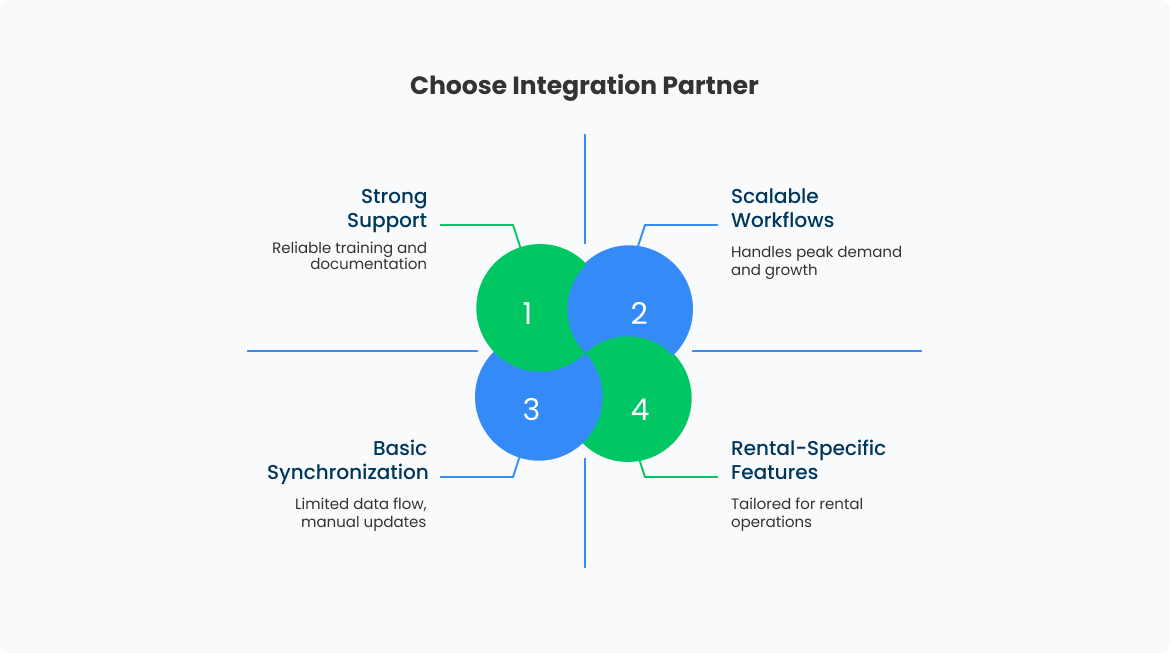
Not all integrations support rental operations in the same way. Some move data between systems but leave execution fragmented. Others add process overhead that teams struggle to maintain. The right integration partner supports real field conditions without forcing rental work into a generic service model.
When evaluating a Current RMS integration partner, focus on the capabilities below.
1. Real-Time, API-Based Synchronization
Rental schedules change throughout the day. An integration must reflect those changes without manual intervention.
Look for a partner that:
This ensures execution stays aligned with planning as conditions shift.
2. Rental-Specific Execution Workflows
Rental execution differs from one-off service work. Deliveries, pickups, setups, and returns follow different rules and timelines.
A strong integration supports:
This prevents teams from forcing rental work into workflows that do not fit.
3. Data Mapping Clarity
Teams need to understand how rental data turns into field work.
A reliable integration makes it clear how:
Clear data mapping reduces confusion during setup and prevents errors once work begins.
4. Mobile Access for Crews and Drivers
Execution happens in the field. Crews need access to job details without relying on office coordination.
An effective integration includes:
This keeps crews focused on completing work accurately.
5. Customer Communication Linked to Execution
Customer updates should reflect actual progress, not static schedules.
An integration partner should support:
This keeps customers informed and reduces inbound status calls.
6. Support and Onboarding
Integration success depends on setup and long-term support.
Before choosing a partner, confirm:
Strong onboarding and support reduce risk and speed adoption.
7. Ability to Scale During Peak Demand
Rental operations face seasonal spikes and large events. An integration must handle higher job volume without slowing execution.
Scalability matters when:
A scalable integration supports growth without introducing operational risk.
Conclusion
Rental operations succeed or fail after the order is confirmed. What matters is whether deliveries arrive on time, pickups happen as scheduled, and changes stay visible when the day shifts.
Current RMS provides a strong foundation for managing rental opportunities, inventory, and scheduling. Its limitation is not planning. It is execution. Without a direct connection to field activity, teams lose sight of what is happening once vehicles leave the warehouse.
A Current RMS integration with Arrivy closes that gap. Rental opportunities move beyond static schedules and become active field tasks that teams can dispatch, track, and complete with confidence. Deliveries and pickups gain structure. Changes stay visible. Accountability becomes part of daily operations instead of a cleanup step at the end of the day.
For rental businesses planning their next operational step, the question is no longer whether order management works. The question is whether execution stays connected closely enough to support growth, meet customer expectations, and handle real field conditions.
When planning and execution operate as one process, reliability becomes repeatable.
Ready to See It in Action?
Book a demo and see how Arrivy connects your Current RMS schedules to live field execution.